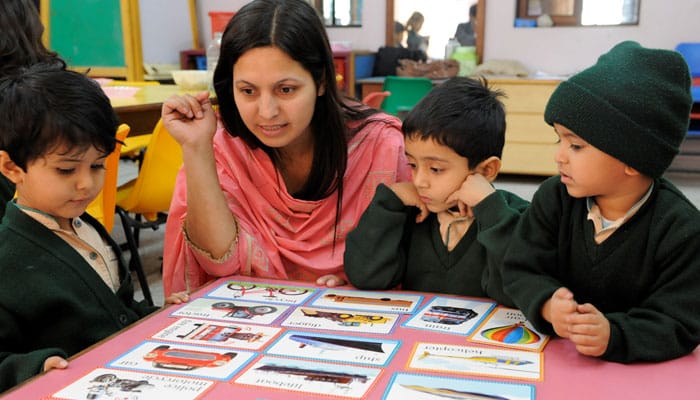

Punjab Government Announces Up to Rs. 65,000 Monthly Stipend for College Teaching Interns
 Google News
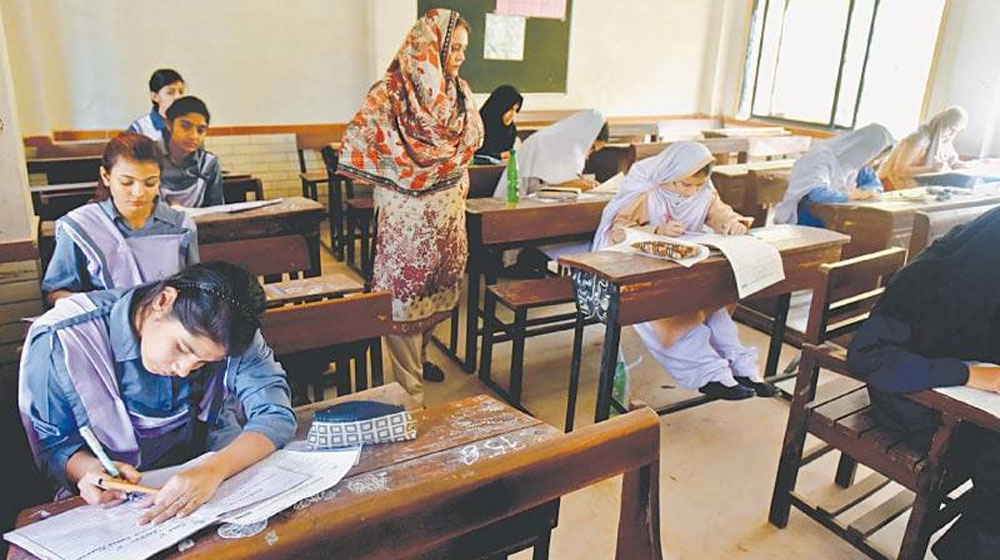
In a major step toward empowering the youth and strengthening the education sector, the Punjab Government has approved a stipend package worth Rs. 4.217 billion for college teaching interns across the province.
This program, set to benefit over 8,000 interns, aims to provide young graduates and intermediate students with valuable teaching experience, financial support, and career development opportunities.
Objective of the College Teaching Internship Program 2025
The College Teaching Internship Program (CTIP) 2025 is designed to bridge the gap between academic learning and real-world teaching experience.
By engaging educated youth as teaching interns, the government hopes to:
-
Address the shortage of teachers in public colleges.
-
Provide financial stability to educated but unemployed individuals.
-
Promote skill development, classroom confidence, and leadership abilities.
-
Build a stronger and more experienced pool of future educators.
This initiative aligns with the government’s vision to empower youth through education, employment, and skill enhancement.
Stipend Structure for College Teaching Interns
Under the newly announced plan, the Punjab Higher Education Department (HED) has finalized monthly stipends based on the intern’s education level.

| Education Level | Monthly Stipend | Duration |
|---|---|---|
| Intermediate-Level Interns | Rs. 55,000 | 7 Months |
| BS-Level Interns | Rs. 65,000 | 10 Months |
These stipends will be disbursed monthly, helping interns cover expenses during their training while they gain hands-on experience in government colleges.
Upon successful completion, participants will also receive an official experience certificate, significantly improving their career prospects and employability in both public and private education sectors.
Inclusivity and Reserved Seats for Special Groups
The Punjab Government has ensured inclusivity and equal opportunity in this program by reserving seats for marginalized communities.
Reserved Quota Details:
-
404 seats for minorities
-
243 seats for persons with disabilities
-
40 seats for the transgender community
This inclusion ensures that the program benefits all sections of society, especially those who are often underrepresented in the education workforce.
Funding Allocation and Implementation
A total of Rs. 4.217 billion has been allocated to finance this internship program.
The budget covers monthly stipends, administrative costs, and monitoring mechanisms to ensure transparent implementation.
Key Highlights:
-
The initiative is province-wide and will be implemented through Punjab’s Higher Education Department.
-
All eligible interns will be placed in public sector colleges across Punjab.

-
Payments will be made directly through verified banking channels to prevent any misuse or delay.
This allocation reflects the government’s commitment to investing in youth development while improving the quality of higher education in Punjab.
Benefits of the College Teaching Internship Program
The internship program offers multiple benefits to both interns and the education system as a whole.
1. Skill and Career Development
Interns will gain first-hand classroom teaching experience, boosting their confidence, communication, and professional skills.
2. Financial Empowerment
The monthly stipend of up to Rs. 65,000 helps interns manage their expenses and focus on their professional training without financial stress.
3. Strengthening Education Infrastructure
By placing skilled interns in colleges, the program helps fill teacher shortages and ensures smooth academic continuity in institutions.
4. Experience Certification
At the end of the internship, each participant will receive a government-recognized experience certificate, adding credibility to their resumes.
5. Promoting Equal Opportunity
With reserved quotas for minorities, differently-abled individuals, and transgender persons, the scheme encourages diversity in the education sector.
Eligibility Criteria for Interns (Expected)
Although official registration guidelines will be released soon, the following criteria are expected based on previous internship models:
-
Applicant must be a resident of Punjab.

-
Must hold a minimum qualification of Intermediate or BS degree.
-
Preference for fresh graduates with an interest in teaching.
-
Must possess valid CNIC and academic transcripts.
-
Applicants must not be employed in any other government position.
Further details will be shared through the official Higher Education Department (HED) website and provincial education offices.
How to Apply for the Internship Program
The Punjab government will soon launch an online registration portal for eligible candidates.
Here’s what you can expect during the application process:
-
Visit the official HED website once the program opens.
-
Click on “College Teaching Internship 2025”.
-
Fill out the online form with your personal and educational details.
-
Upload scanned copies of your CNIC, degree, and recent photograph.

-
Submit the application and note your tracking ID for future reference.
Shortlisted candidates will be notified via email or SMS, followed by college placement and orientation.
Government’s Vision for Youth Empowerment
This program is part of Punjab’s broader strategy to empower the educated youth through practical learning and financial stability.
It complements other youth-oriented initiatives like:
-
CM Laptop Scheme 2025
-
E-Taxi Scheme for Graduates
-
Electric Rickshaw Subsidy Program
-
BISP Taleemi Wazaif (Education Grants)
Collectively, these programs aim to build a skilled, employable, and financially independent generation ready to contribute to Pakistan’s economic progress.
Conclusion
The Punjab College Teaching Internship Program 2025 marks a significant investment in both education and youth empowerment.
By offering monthly stipends of up to Rs. 65,000, along with professional experience and inclusion of marginalized groups, the government is setting a strong example of practical reform.
This initiative not only uplifts individuals but also strengthens the province’s education system for a brighter, more sustainable future.